Investing in Fourplexes 10 Years Apart
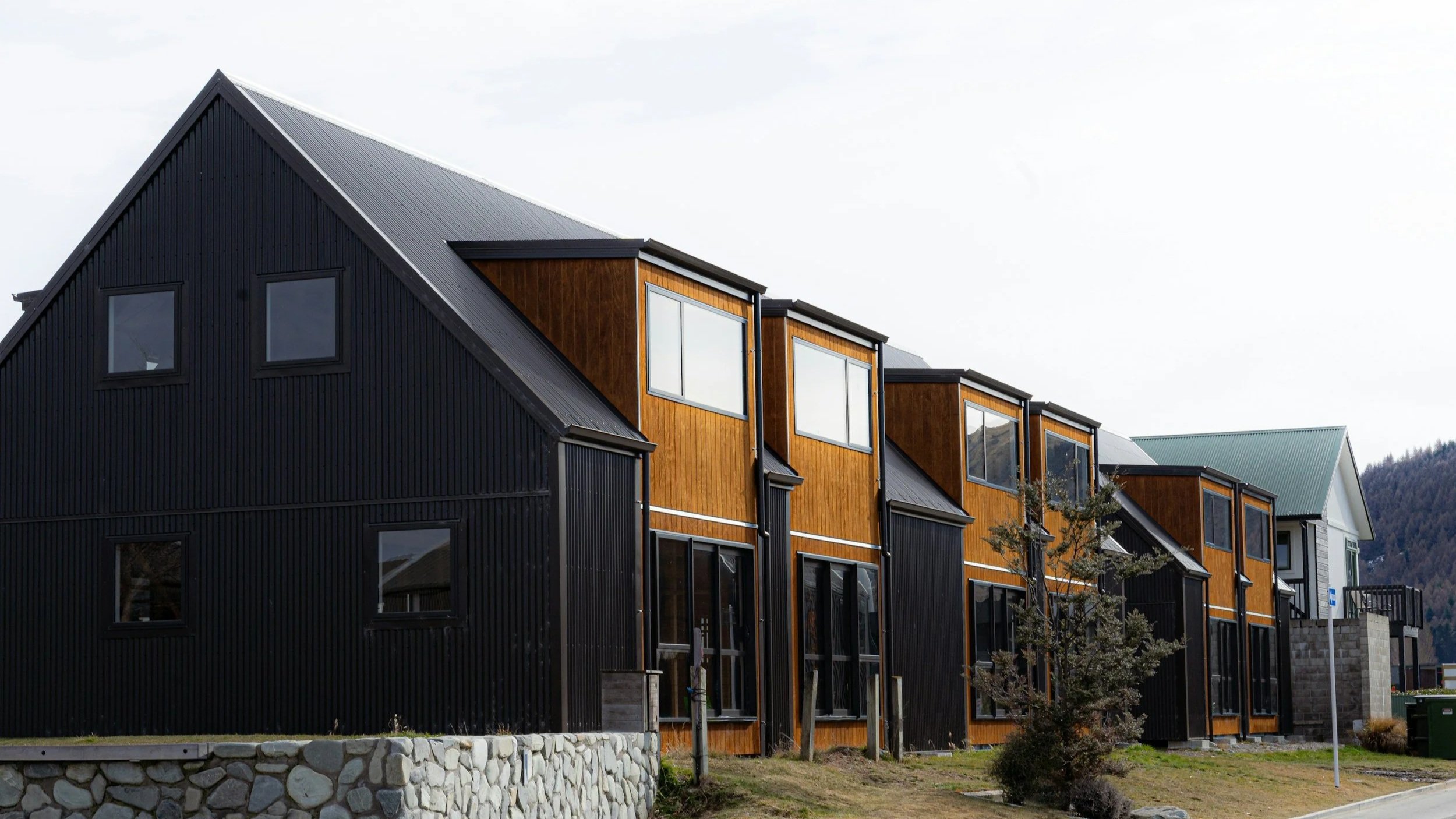
Back in 2017, I bought my first fourplex for $555K in Missouri. While it had a bumpy start getting units leased, it’s been a cash cow every year since. Fast forward nearly 10 years to today, where I’ve paid $1 million for a fourplex in Indiana, roughly twice the cost. While not an apples-to-apples comparison, today I’m going to pit the two against each other to illustrate just how much the real estate investing landscape has changed over the past decade. Let’s find out!
Purchasing My Missouri Fourplex in 2017
Purchase price: $555,000
Buying costs: ~$10,000
Down payment (25%): $138,750
Monthly breakdown:
Mortgage (4.375% interest): $2,078
Rent per unit: $1,667.67
Total rent: $6,666.67
Operating expenses (taxes, insurance, HOA, vacancies, repairs, etc.): $2,778
Cash flow: $1,810
Yearly summary:
Cash flow: $21,720
Cash-on-cash return: ~14.6%
This is calculated by dividing the annual profit by the total cash invested. So, $21,720 divided by ($138,750 down payment + $10K in buying costs).
It doesn’t take into account the home's appreciation value, write-offs, etc.
The Numbers for my Indiana Fourplex Today
Because I purchased my Indiana fourplex all-cash, it's difficult to compare costs with my Missouri one, which is mortgaged. So I’ve taken the liberty of estimating costs that I would have incurred had I used a construction loan and subsequently mortgaged my purchase.
Purchase price: $1 million
Buying costs (closing costs, construction loan interest, title fees, etc.): $68,875
Down payment (25%): $250,000
Monthly breakdown:
Mortgage post-refinance (6% interest): $4,500
Rent per unit: $2,200
Total rent: $8,800
Operating expenses (taxes, insurance, HOA, vacancies, repairs, etc.): $2,945
Cash flow: $1,355
Yearly summary:
Cash flow: $16,260
Cash-on-cash return: ~5.1%
Takeaways
Here’s a side-by-side comparison. And for fun, I’m going to throw in a 3rd column, comparing the same Indiana fourplex that I purchased all-cash.
| 2017 Missouri Fourplex | 2026 Indiana Fourplex (mortgaged) | 2026 Indiana Fourplex (all-cash) | |
|---|---|---|---|
| Purchase price | $555,000 | $1 million | $985,000 |
| Buying costs | $10,000 | $68,875 | $6,083 |
| Down payment (25%) | $138,750 | $250,000 | $985,000 |
| Monthly breakdown | |||
| Mortgage | $2,078 (4.375% interest) | $4,500 (6% interest) | $0 |
| Operating expenses | $2,778 | $2,945 | $2,945 |
| Rent per unit | $1,666.67 | $2,200 | $2,200 |
| Total rent | $6,666.67 | $8,800 | $8,800 |
| Cash flow | $1,810 | $1,355 | $5,855 |
| Annual breakdown | |||
| Cash flow | $21,720 | $16,260 | $70,260 |
| Cash-on-cash return | 14.6% | 5.1% | 7.09% |
Looking at the first 2 columns, it’s absolutely wild to see that a $555K property yields $5K more in cash per year than a brand-new $1 million one. And the cash-on-cash return is almost 10% higher, too!
Comparing the 3rd column shows us how much the construction costs of the Indiana property impact the return. It also illustrates the impact of today’s interest rates.
Why This Doesn’t Tell Us The Whole Story
Every rental market is vastly different. For example, you can see that the Indiana fourplex commands significantly more rent per unit, ~$500 more per month; it also happens to be in one of the fastest-growing markets in the US right now.
Appreciation hasn’t been taken into account whatsoever. Recently, I was quoted for roughly $850K for my Missouri fourplex. That’s $295,000 in gains, a 53% rise in 9 years. But if you look only at cash invested, $148,750, the gain tells an even more compelling story: 298% growth in appreciation alone. Comparatively, the Indiana fourplex gained roughly 5% ($50K) over 1 year of construction. You can also assume that, because of the unique investment style requiring investors to pay for construction, the 5% was built into a lower purchase price.
The buying method was different. My Missouri fourplex was very straightforward, essentially buying a completed home. The Indiana fourplex, on the other hand, involved paying for construction and refinancing afterwards. So, again, we’re not really comparing apples-to-apples scenarios.
Lastly, the big game changer is that interest rates are way higher now. The past 3 years have seen rates 2-3% higher, which has drastically impacted real estate. It drags on appreciation and quickly adds to operating expenses.
What This Means for Real Estate Investors
For primary homes, refinancing may be in the cards sometime this year, especially if you grabbed a new mortgage in the past 3 years. Rates are roughly 1.5-2% lower now.
I expect interest rates to drop slightly more in the 2nd half of the year, but not by much. So if you’re interested in investing in real estate but are waiting for lower rates, I don’t think it’ll help. By waiting, home prices may rise more than the amount of savings you expect to have with lower rates.
Returns just aren't going to be as good as they were 10 years ago, and I doubt it’ll ever return to that environment. If you’ve always wanted to invest in real estate but never have because you can’t find that perfect deal you missed out on years ago, you’re going to be waiting forever. Instead, lower your expectations. Otherwise, you’ll never pull the trigger.
If you are interested and are serious about finding good deals, contact me directly. I have a few opportunities that have piqued my interest and would be happy to send them your way!